Technological Innovations in Papermaking: Enhancing Efficiency and Product Quality
Introduction:
The paper industry stands on the cusp of a technological revolution, driven by innovations in papermaking machinery, paper manufacturing, and papermaking technology. This transformation, often referred to as paper industry 4.0, encompasses a spectrum of advancements aimed at elevating papermaking efficiency and product quality.
Innovations in Papermaking:
1. Integration of AI and Machine Learning in Papermaking:
In recent years, the integration of AI in papermaking and machine learning in papermaking has emerged as a cornerstone of modern paper production. These technologies empower manufacturers to optimize processes, reduce downtime, and enhance quality control. AI algorithms analyze vast datasets from papermaking equipment and paper mill technology, enabling predictive maintenance strategies that preempt potential issues. Machine learning algorithms, on the other hand, refine papermaking process optimization parameters based on real-time feedback, leading to improved efficiency and reduced waste.

2. MES Systems for Streamlined Operations:
Manufacturing Execution Systems (MES) play a pivotal role in orchestrating papermaking equipment and processes. These systems provide real-time insights into production metrics, enabling proactive decision-making and resource allocation. MES in papermaking technology ensures seamless coordination between different stages of production, from pulp preparation to final product finishing. By integrating MES solutions, paper mills can achieve greater operational transparency, efficiency, and agility.
3. High-Density and Long-Fiber Papermaking:
Advancements in papermaking machinery have facilitated high-density papermaking and long-fiber papermaking. High-density paper, characterized by its strength and durability, finds applications in packaging and industrial sectors where robust materials are essential. Long-fiber paper, on the other hand, boasts superior printability and aesthetic appeal, making it a preferred choice for premium publications and marketing collateral. Innovations in machine learning in papermaking have further optimized fiber blending processes, allowing for precise control over paper properties such as strength, opacity, and surface finish.
4. Nanotechnology for Enhanced Paper Properties:
Nanotechnology has revolutionized the paper industry by offering novel solutions for enhancing paper properties. Nanoparticles, when incorporated into paper coatings, improve printability, moisture resistance, and durability. Moreover, nanotechnology enables powder fixation processes, reducing the environmental footprint of paper production by minimizing chemical usage. By harnessing the potential of nanotechnology, paper manufacturers can create high-performance materials that meet stringent quality standards while minimizing resource consumption.
5. Customization with Small-Lot and Sparse Papermaking:
The advent of small-lot papermaking and sparse and dense papermaking techniques has empowered manufacturers to cater to diverse market demands. Small-lot production allows for customization, enabling niche markets and personalized printing needs to be addressed effectively. Sparse and dense papermaking methods optimize fiber distribution within paper sheets, striking a balance between opacity, ink absorption, and print quality. These innovations not only enhance the versatility of paper products but also contribute to resource optimization and waste reduction.
6. Embracing Low-Concentration Papermaking:
Sustainability has become a focal point for the paper industry, driving innovations in low-concentration papermaking. This approach aims to conserve water and energy by operating at lower chemical concentrations without compromising papermaking efficiency or product quality. Modern papermaking equipment is designed to facilitate precise control over chemical dosages, ensuring consistent paper properties while minimizing environmental impact. By adopting low-concentration techniques, paper mills can align with sustainability goals while maintaining competitiveness in the market.
AI and Machine Learning in Papermaking:
a. AI-driven Predictive Maintenance: AI algorithms analyze data from papermaking machinery to predict equipment failures before they occur. This proactive approach minimizes downtime, reduces maintenance costs, and improves overall operational efficiency.
b. Machine Learning for Process Optimization: Machine learning algorithms optimize paper manufacturing processes by fine-tuning parameters such as pulp consistency, drying temperatures, and coating formulations. This leads to higher-quality paper products and reduced waste.
c. AI-powered Quality Control: AI systems inspect paper quality in real-time, detecting defects such as tears, wrinkles, or color variations. This ensures that only high-quality paper reaches customers, enhancing customer satisfaction and brand reputation.
Advanced Technologies in Papermaking Equipment:
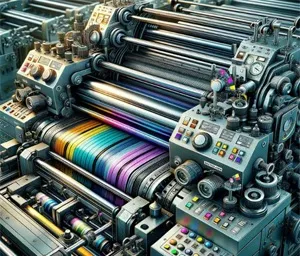
1. IoT-enabled Sensors: IoT sensors embedded in papermaking equipment monitor key metrics like moisture levels, fiber density, and machine vibrations. This data is used to optimize production, improve product consistency, and reduce energy consumption.
2. Robotics and Automation: Robotic systems automate repetitive tasks in paper mills, such as material handling, packaging, and palletizing. This increases productivity, reduces labor costs, and improves workplace safety.
3. Digital Twins for Simulation: Digital twin technology creates virtual replicas of paper mill technology, allowing operators to simulate production scenarios, test process changes, and optimize resource utilization before implementation.
Innovations in Paper Industry 4.0:
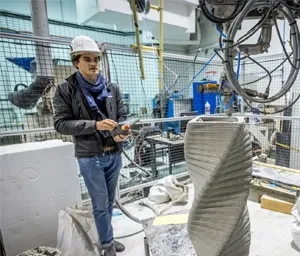
a. Smart Manufacturing Platforms: Industry 4.0 platforms integrate data from diverse sources, including papermaking equipment, supply chain systems, and customer feedback. This holistic view enables data-driven decision-making and agile production strategies.
b. Cloud-based Collaboration: Cloud computing facilitates collaboration among stakeholders across geographies, enabling real-time sharing of production data, design specifications, and market insights. This accelerates innovation and time-to-market for new paper products.
c. Blockchain for Supply Chain Transparency: Blockchain technology ensures transparency and traceability in the paper supply chain, from raw material sourcing to product distribution. This enhances trust among stakeholders and enables sustainable sourcing practices.
Sustainable Practices in Paper Manufacturing:

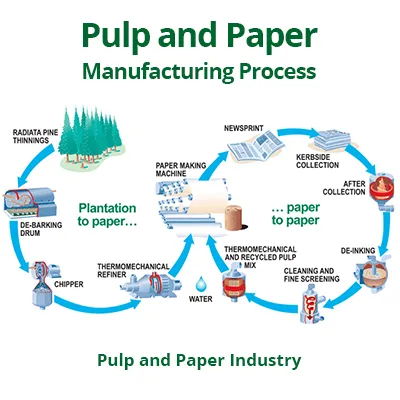
1. Recycling and Circular Economy: Paper mills are adopting closed-loop systems to recycle waste paper, pulp rejects, and water. This reduces environmental impact, conserves resources, and promotes a circular economy model.
2. Renewable Energy Integration: Renewable energy sources such as solar, wind, and biomass are powering paper mill technology, reducing carbon emissions and dependency on fossil fuels.
3. Eco-friendly Packaging Solutions: Paper manufacturers are developing eco-friendly packaging materials, including biodegradable films, compostable coatings, and recyclable corrugated boards. These solutions meet eco-labeling requirements and support sustainable packaging initiatives.
Future Outlook and Challenges:
Looking ahead, the paper industry is poised for further advancements driven by AI, machine learning, nanotechnology, and MES systems. The convergence of these technologies will continue to redefine papermaking efficiency, product quality, and sustainability practices. However, challenges such as regulatory compliance, talent acquisition for tech-intensive roles, and capital investment in new technologies remain significant hurdles. Overcoming these challenges will require collaborative efforts from industry stakeholders, policymakers, and technology providers to ensure a seamless transition towards a more efficient, sustainable, and technologically advanced paper industry.
Conclusion:
The integration of AI, machine learning, IoT, and advanced technologies is transforming the paper industry, driving efficiency, innovation, and sustainability. By leveraging digitalization and embracing sustainable practices, paper manufacturers can stay competitive in a rapidly evolving market while minimizing environmental impact. The future of papermaking lies in continuous technological advancements, collaborative partnerships, and a commitment to responsible manufacturing practices. In conclusion, technological innovations in papermaking are reshaping the landscape of the paper industry, offering unprecedented opportunities for efficiency improvements, product quality enhancements, and sustainable practices. The synergistic integration of AI, machine learning, nanotechnology, MES systems, and advanced papermaking machinery heralds a future where paper remains a versatile and indispensable medium in a digital age characterized by rapid technological advancements.
 Our Services
 Media Pack Download
 Newsletters
 Industrial Events