How Does Power and Energy Drive Operations in the Pulp and Paper Industry?
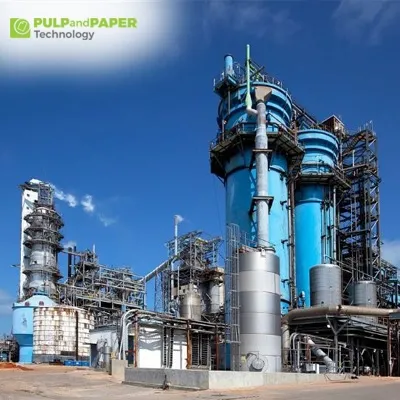
The pulp and paper industry is a significant consumer of power and energy, with operations heavily reliant on continuous and efficient energy supplies. Integrating advanced technologies and innovative practices ensures sustainability and cost-effectiveness. This article explores how power and energy drive operations in this industry, focusing on energy efficiency, renewable energy sources, and technological advancements.
Energy Efficiency and Renewable Energy in the Pulp and Paper Industry
Energy efficiency is a critical factor in the pulp and paper industry, contributing to reduced operational costs and environmental impact. The Department of Energy (DOE) plays a vital role in promoting energy efficiency renewable initiatives. By implementing energy-saving technologies and practices, the industry can significantly lower its energy consumption.
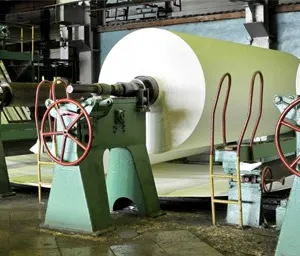
Renewable energy industrial applications are becoming more prevalent, with companies investing in biomass, solar, and wind power. These energy industrial technologies not only help reduce carbon emissions but also ensure a more sustainable energy supply. Utilizing renewable energy industrial solutions, such as black liquor, a byproduct of the pulping process, can generate substantial amounts of heat and power, further enhancing energy efficiency.
| Also Read: Pulp And Paper Industry 2030: Where Is The Sector Headed? |
Black Liquor and Heat Recovery
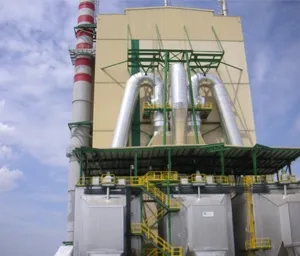
Black liquor is a valuable byproduct in the pulp and paper industry, containing organic compounds that can be burned to produce energy. This process is an excellent example of heat recovery, where the energy from burning black liquor is captured and reused in the production process. This practice significantly reduces the need for external energy sources and improves overall energy efficiency.
Heat recovery systems are integral to optimizing energy use in the pulp and paper industry. By capturing and reusing waste heat, these systems can provide steam energy and heat energy for various processes, reducing the dependency on fossil fuels and lowering greenhouse gas emissions.
Energy Monitoring Systems and Optimizing Energy Consumption

Implementing an Energy Monitoring System (EMS) is essential for tracking and managing energy consumption in the pulp and paper industry. An Energy Monitoring System allows companies to identify areas where energy is wasted and take corrective measures. This system plays a crucial role in optimizing energy consumption, ensuring that energy use is as efficient as possible.
Optimizing energy consumption involves various strategies, such as upgrading equipment, implementing process improvements, and utilizing more efficient technologies. For instance, replacing vacuum pumps with vacuum blowers can lead to significant energy savings. By replacing vacuum pumps with vacuum blowers, the industry can reduce energy consumption and improve the efficiency of dewatering processes in papermaking.
Reducing De-Superheated Steam and Replacing Vacuum Pumps with Vacuum Blowers

One effective method to enhance energy efficiency in the pulp and paper industry is by reducing de-superheated steam. This involves minimizing the energy loss associated with superheated steam, ensuring that more energy is utilized effectively within the production process. By reducing de-superheated steam, companies can lower energy costs and improve operational efficiency.
Replacing vacuum pumps with vacuum blowers is another strategy to boost energy efficiency. Vacuum blowers are more energy-efficient and require less maintenance compared to traditional vacuum pumps. This change not only reduces energy consumption but also enhances the reliability and performance of the papermaking process.
Fibrous Fillers in Papermaking and Heat Energy
The use of fibrous fillers in papermaking can significantly impact energy consumption. Fibrous fillers enhance the paper's quality and reduce the need for extensive refining, leading to lower energy use. By incorporating fibrous fillers in papermaking, the industry can produce high-quality paper while maintaining energy efficiency.
Heat energy is a crucial component in the pulp and paper industry, used in various stages of production, from pulping to drying. Efficiently managing heat energy through advanced technologies and heat recovery systems is essential for minimizing energy waste and reducing costs.
Renewable Energy and Steam Energy
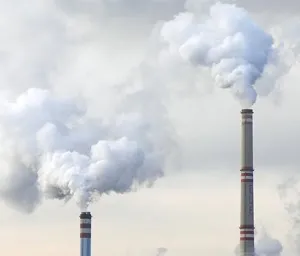
Adopting renewable energy industrial practices, such as biomass energy, can transform the pulp and paper industry. Biomass, including wood waste and black liquor, provides a sustainable and reliable source of steam energy. This renewable energy source not only reduces the industry's reliance on fossil fuels but also lowers greenhouse gas emissions.
Steam energy is vital for the pulp and paper industry, used in processes such as pulping, drying, and chemical recovery. Efficiently generating and utilizing steam energy through renewable sources and advanced technologies can enhance the industry's sustainability and operational efficiency.
Role of the Department of Energy (DOE)

The Department of Energy (DOE) plays a pivotal role in supporting the pulp and paper industry's transition to more sustainable energy practices. Through funding, research, and policy development, the DOE promotes the adoption of energy efficiency renewable technologies. Initiatives such as the Industrial Technologies Program (ITP) help industries adopt advanced energy solutions, improving overall efficiency and reducing environmental impact.
Reducing De-Superheated Steam and Steam Energy
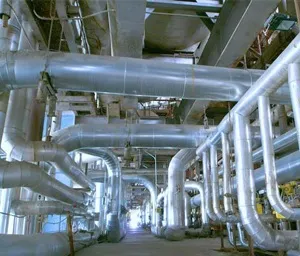
One of the primary focuses in the pulp and paper industry is reducing de-superheated steam. Superheated steam, which is steam heated beyond its boiling point, contains excess energy that can be wasted if not properly managed. By reducing de-superheated steam, the industry can capture this excess energy and redirect it to other processes, thereby enhancing energy efficiency and lowering operational costs.
Steam energy is a critical component of the pulp and paper industry. It is used in various stages of production, including pulping, drying, and chemical recovery. Efficiently managing steam energy through advanced technologies and practices is essential for minimizing energy waste and reducing costs. Technologies such as energy monitoring systems and advanced control systems enable better management and utilization of steam energy, further improving energy efficiency.
Optimizing Energy Consumption with Fibrous Fillers and Heat Recovery
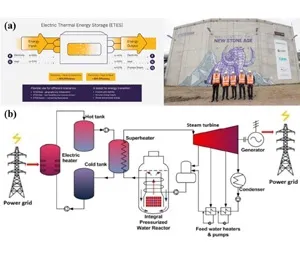
Optimizing energy consumption in the pulp and paper industry involves a comprehensive approach that includes process improvements, equipment upgrades, and the adoption of advanced technologies. The use of fibrous fillers in papermaking is one such strategy that can significantly impact energy consumption. Fibrous fillers enhance the paper's quality and reduce the need for extensive refining, leading to lower energy use. By incorporating fibrous fillers in papermaking, the industry can produce high-quality paper while maintaining energy efficiency.
Heat recovery is another critical aspect of optimizing energy consumption. By capturing and reusing waste heat, the industry can reduce its reliance on external energy sources and improve overall energy efficiency. Heat recovery systems can provide steam energy and heat energy for various processes, reducing the dependency on fossil fuels and lowering greenhouse gas emissions.
Energy Monitoring Systems and Advanced Technologies
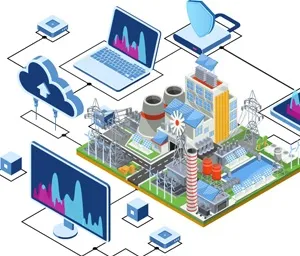
Implementing an Energy Monitoring System (EMS) is essential for tracking and managing energy consumption in the pulp and paper industry. An Energy Monitoring System allows companies to identify areas where energy is wasted and take corrective measures. This system plays a crucial role in optimizing energy consumption, ensuring that energy use is as efficient as possible.
Advanced energy industrial technologies such as automated control systems and real-time monitoring tools enable better management and utilization of energy. These technologies help the industry identify inefficiencies, optimize processes, and reduce energy consumption. For instance, the adoption of smart sensors and data analytics allows for more accurate monitoring of energy use and identification of areas for improvement.
Conclusion
Power and energy are fundamental to the operations of the pulp and paper industry. Through the adoption of energy efficiency measures, renewable energy industrial solutions, and advanced energy industrial technologies, the industry can achieve significant energy savings and reduce its environmental impact. Key practices such as utilizing black liquor for heat recovery, implementing Energy Monitoring Systems, reducing de-superheated steam, and replacing vacuum pumps with vacuum blowers are essential for optimizing energy consumption. The integration of fibrous fillers in papermaking and the efficient management of heat energy further contribute to a more sustainable and cost-effective industry. By focusing on these strategies, the pulp and paper industry can continue to thrive while minimizing its carbon footprint and enhancing operational efficiency.
 Our Services
 Media Pack Download
 Newsletters
 Industrial Events