Smart Paper: Exploring the Role of Digital Technologies in Paper Products
The paper industry has recently been shifting in a new direction due to changes in adaptability of digital technologies in the process of pulp and paper mills. These are innovations in the packaging industry such as smart paper for paperless digitization which takes the industry to a new leverage by making it efficient and innovative. This article tries to widen knowledge on the paper industry digitalization, with examples of trending- digital twin technology research papers, holographic paper technology and more on how they are transforming the pulp and paper organizations.
The Power of Digital Transformation in Paper
Technological advancement on the paper industry is on the verge of a revolution that is expected to fuel change. Smart paper for paper digitization is finding its way in the modern society through transforming traditional paper products while integrating the value of touch of papers and the intelligence of digital technology. For example, the holographic paper technology is used in a variety of applications such as security, packaging as well as promotion. Through the application of digital twin technology, it becomes easier to simulate the flow of activities in pulp and paper industries, enhance effectiveness and minimize on loss.
Role of Digitalization in the Paper Industry
The digital twin for pulp and paper plants is among the biggest developments in the industry today. When a manufacturer has an imitation of real processes, it is easier to foresee when a piece of equipment will require maintenance among other benefits like minimized environmental footprint. The research papers that have been published on the development of digital twin technologies demonstrate how these advances are leading to massive gains in pulp and paper productivity.
Likewise, the digital paper currently encompasses far more than paper printing. Digital print in paper is a technique, which allows for fine, high-quality print, necessary for various uses in for example the publishing, packaging and marketing sectors. These enablers, as described in many papers analyzed in digital technology literature, lie at the heart of realizing the future of pulp and paper operations.
Technology to Use to Digitize a Paper Application
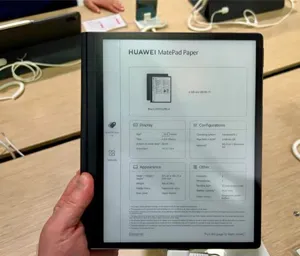
The size of this change is hard to overestimate: the key innovation in the paper industry is the technology to use to digitize a paper application. Digital technology refers to the use of specimen paper technologies that allow documentation to be inputted to digital forms to guarantee the secure, portable, and easily transferable paper forms.
It is needed for industries where physical forms are required but the need for copy, edit, or sending it to someone else is necessary too.
Unfolding the Future of Pulp & Paper
About the future of the paper digitization industry As we proceed with discovering the possibility of smart paper for paper digitization, everything seems to have a pretty bright future. The apply of paper digitalization is not only focused on making changes in the production procedures but also in improving the functionality and eco friendliness of paper materials. Such technologies as the holographic paper technology and the application of digital printing to paper based products offer possibilities of more engaging customer base, minimizing wastage, as well as the development of improved products.
Digital twins in pulp and paper plants are something new when it comes to the use of new technology. This particular innovative technology enables firms to conduct real time surveillance and assessment of production lines, in effect diminishing delays, enhancing productivity and utilization of resources. The analysis of published digital twin technology research papers reveals the vast possibilities of employing the proposed solution in modern paper industry.

Digital Printing in Paper Products
Digital printing in the paper products has brought a change in how industries use the paper products. Digital prints techniques enable producing exacting designs in full resolution at any type of paper, which makes this technology central to the work of most modern pulps and papers. The various types of digital paper under the company’s portfolio ensure that customers get to enjoy a tailored solution that benefits their line of work.
Conclusion
The paper industry has already begun witnessing the change with different technologies in the paper such as smart paper for digitization of paper, the use of the digital twin technology and the holographic paper technology. While the industry adapts to these innovations, the future of pulp and paper operations will remain set on further advancement with better efficiency, sustainability as well as flexibility. As indicated in the digital technology research papers, the paper industry is unearthing a future where digital paper ranges suit today’s complex societies.
 Our Services
 Media Pack Download
 Newsletters
 Industrial Events