Breakthroughs in Paper Machine Efficiency for the Modern Mill
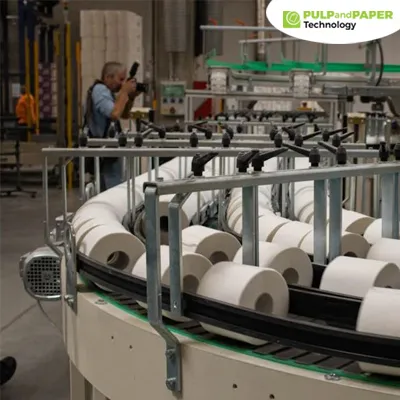
Changes in the global market requirement have placed much focus and effort into the development of improved paper machine operation. Manufacturers globally are operating towards one goal of achieving high output but at the same time achieving low cost and low impact to the environment. By adopting advanced technologies and approaches, the modern or contemporarily developed mill has undergone significant changes with regard to effective and environmental friendly production of paper.
Factors Affecting Paper Machine Efficiency
It is essential to identify the most influential parameters, which determine the efficiency of paper machines to enhance operational results. They include equipment age, that dictates how old equipment is and therefore how efficient it can be, maintenance practices, the quality of raw material that is used in production and the level of technology that is used. Managing the above variables helps in minimizing resource wastage and in the same way brings improvement in performance. Moreover, it is possible to maintain a reliable paper machine operation based on timely scheduled maintenance, and updating methods that minimize the amount of time the machine is offline. Additionally, constant education of the employees on the handling of the machines is one practice that the paper manufacturing industry cannot afford to miss to make an impact.
The Role of Modern Mill Automation
The advancement in technology has become critical in the manufacturing of the papers and has greatly contributed to the improvement of the manufacturing of papers. Modern mill automation means that the mills do not have to wait for the completion of the other’s production time to know their level of productivity as well as point out when that productivity is low and take corrective measures. Thus, the application of automation in the contemporary paper mills goes way beyond simple optimization of the processes; they promote energy-saving and the minimization of the waste. Automated systems also ensure that mills can anticipate certain performance trends so that they can stage quick responses to shifting market conditions while maintaining mill production quality. The four areas that show how mills can attain a consistent quality while increasing productivity include; attempts to reduce steps and also eliminate automation result in more quality and better productivity.
Embracing Paper Machine Technology Upgrades
Automation and innovation are key characteristics geared towards improving paper machine optimization. From artificial intelligence to the Internet of things, advance innovation in paper machine design is putting innovative ways to mills in place. Newer elements such as precision control systems, high tech dryers, and superior press section contribute to greater quality in the product even as efficiency in energy deployment is achieved. Other technologies that are helpful in increasing the efficiency in paper machines are threading systems, and vacuum press rolls as well as energy efficiency in calendaring units. Such additions do not only ensure a better quality of the products that are being produced but also cut costs of operations which are very important for the competitiveness in the international market.
Optimizing Paper Machine Speed for Maximum Output
Another important segment to increase production efficiency is the optimization of the speed of a paper machine. Such operations demand complex control systems and durable structures given the speed at which these vehicles run. Modern designs of paper manufacturing feature high speeds as a key characteristic whereby the companies can maintain stability at high speeds. Optimization concern revolve around utilization of the machine, minimization of mechanical stresses and improving web handling. From the performance point, the issues like web break and quality defect can be minimized and at the same time mills can reach an unprecedented level of productivity through benchmarking and optimized processes.
Global Trends in Paper Production Efficiency
The development direction of the paper industry is also changing; globally, the new direction in the improvement of paper production technology is becoming more environmentally friendly and innovative. New entrants with renewable energy acquisitions, combined with energy efficient equipment, are changing the nature of the industry. Energy efficiency in paper machines is now not a luxury but a compulsion, and the new generation of paper mills has no option but to go for energy efficient green technologies to meet designed regulatory norms on environmental management and control of carbon emissions. In countries where emission standards are very high, these trends are not only beneficial but mandatory for business continuity.
The Impact of AI and IoT on Paper Machine Optimization
Paper machine modernity with intelligence for creating perfect output has been deserved by the AI with the assist of Internet of Things (IoT). Turning to the paper machine, the correct approach for using AI for paper machine optimization is based on data analysis to estimate the likelihood of future machine tuning and to minimize the chance of failure. The rationale for such change is generated using analysis of data which has happened in the past with the aim of assisting on the issue of how the particular processes can be made better through enhancement in what may be the preparation of pulp to the final output processes. In the same way, application of IoT in paper machine optimization helps the mills to collect data that assist in making better decision because of real time results of a system that needs a regular checkup for maintenance. Altogether these technologies improve operation, minimize periods of disruption and energy waste. For instance, IoT sensors regularly inspect prerequisites such as temperature, fluid weight and humidness, which are crucial for high-performance paper machines to run efficiently.
Innovations Driving High-Performance Paper Machines
Furthermore, the packager’s relentless pursuit for high-performance paper machines has benefited from innovative advances in product design and mechanism. The state of the art technology includes improved vacuum machines, great control of moisture, and smart control of lubrication. These features are beneficial not only to the enhancement of the efficacy of paper manufacturing but to the prolongation of durability of machinery as well. Modern mills have been able to produce extraordinary target grades attributed to new investment in several drying sections, multi-layer headboxes, as well as efficient refining systems. Through such developments, mills provide themselves for future survival in an already saturated market.
Energy-Saving Strategies for the Modern Mill
Another factor that is still high is the expenses on energy in the paper mills. Applying measures that would characterize modern mills as energy-saving requires controlling of the steam usage, using new generation motors, and lowering the water consumption. It is such measures that contribute to a general improvement in energy efficiency within paper machines and overall sustainable functions. Examples include heat recovery systems which capture heat used in drying processes hence minimizing the costs of energy. Furthermore, energy audit and performance monitoring to specify the area of improvement and constant efficiency enhancement. Cutting costs while ensuring sustainability to meet operational needs forms the essence of mills; thus, such strategies beneficial when used in addressing such challenges.
Future of Paper Machine Efficiency
Optimizing future paper machine efficiency will depend on enhancing technological systems, easy implementation of green practices and skilled workforce or human capital. When mills accept today’s modern mill automation and digital solutions, they open the doors to innovation and improvement. The continuing emphasis on sophisticated paper machine technologies guarantees that mills remain responsive to market and environmental conditions. A shift toward green energy solutions, advanced production scheduling with the help of Artificial Intelligence, and smart approach to maintenance of the production equipment based on the Internet of Things technology is expected to dramatically transform paper manufacturing. Further, future developments in the paper machine speed and intelligent material handling systems shall expect to create a new benchmark in the markets.
Conclusion
Advancement in the paper machine efficiency is emerging as a factor of change in the modern mill to meet competitive, sustainable as well as efficiency aspects. Through managing the potential causes of decline in efficiency of paper machines, improving various processes and adopting the best technologies, mills acquire the best efficiency and energy saving.
When intelligent systems are applied to paper manufacturing processes, high-speed paper manufacturing process, modern mill Automation sets up the platform for a robust and sustainable future for paper industry. These characteristics set the industry on a path of sustainable development and prepare mills for dealing with efforts and conflicts of the future.
 Our Services
 Media Pack Download
 Newsletters
 Industrial Events