Lifecycle Assessment and Sustainability Metrics for Paper Products
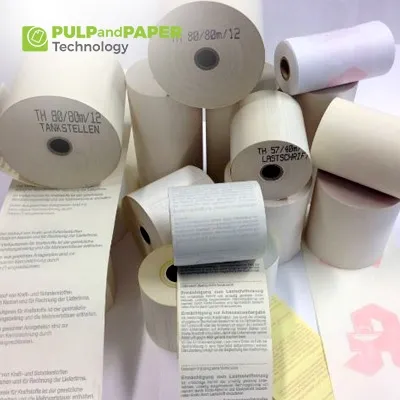
The paper industry experiences some level of scrutiny and opportunities within the study of sustainable development. However, people have not fully let go of paper products, even with the trend towards going paperless, hence the need to be environmentally conscious. This is where a lifecycle assessment (LCA) must be carried out with the intention of evaluating the magnitude of the harm caused by such products. This article systematically assesses the carbon dioxide emissions, energy, water, and waste requirements of paper products from the pre-production through the end-of-life stages.
Sustainable Development and Lifecycle Assessment
Sustainability is the ultimate global concept which solves the problem in the fields of economy, society and environment. In the case of paper production, the balance can be achieved by practices like Life Cycle Assessment that can help in establishing the carbon rate of papers in circulation. All the stages in the life cycle from the extraction of raw materials used to manufacture the product, right from its transportation, its use and disposal or recycling is taken into account in LCA. For instance, the printer paper discussed in the process goes through different phases and is accompanied by illustrations showing such aspects as the carbon emissions in the environment.
Carbon Footprint and Energy Consumption
Energy type and manufacturing efficiency are some of the factors that determine the carbon footprint of paper products. Another significant factor, which is another important correlate of a rather high energy intensity in paper mills influencing greenhouse gas (GHG) emissions, is the application of fossil energy resources.
The methods that can help with the minimization of carbon intensity and reaching the sustainable development goals (SDGs) are the utilization of renewable sources of energy and the increase of energy efficiency.
Water usage and waste management
Usage of water is another of the essential aspects of the economic indicators for the paper industry as part of the LIC analysis. While the process of making paper, especially the pulping and bleaching process, requires extensive water usage, it has gained a bad reputation for water conservatism. Water recycling, utilization of closed circuit operations, and water conservation methods are some of the ways in which its impact on the environment will dramatically decrease. Also, it is relevant to several sustainable development goals, such as clean water and sanitation, because improved water treatment technologies eliminate water pollution.
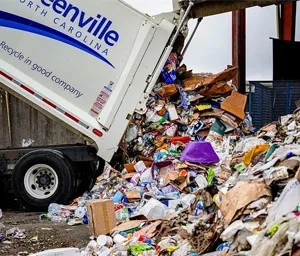
From this perspective, there is no way paper products can be considered fully sustainable without efficient waste management. This industry creates a lot of pollution during the manufacturing of paper. For instance, paper production produces sludge and other residues.
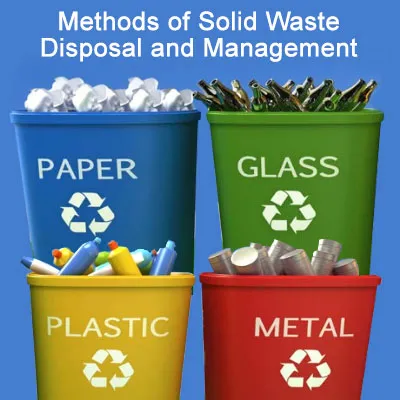
It will be beneficial to work with a waste management company to ensure these can be up-cycled and become useful for a second round. For example, paper recycling includes turning the waste paper into other products. These efforts put in place help reduce the use of virgin materials and also reduce waste.
Circular Economy and Paper Recycling
Circular economy is defined as the expansion of an effective product lifecycle so that it can be reused, rehabilitated and recycled again. In the paper industry, the above approach is expressed through the recycling of paper.
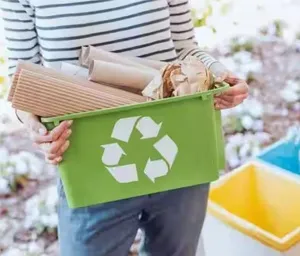
By recycling only paper products, one is able to save natural resources since less of the raw material is used; less energy and water are used during the manufacturing process as well. For instance, virgin printer paper, tracing paper, and waterproof paper may be manufactured with a lower impact on the environment than virgin pulp.
Environmental Impact Assessment and Sustainable Development Goals
An assessment and evaluation of the environmental impact of paper products should first be carried out through an environmental impact statement (EIA). EIA includes aspects of carbon impact, water usage and intensity, energy usage and intensity, and waste generation. In the overall evaluation, it assists in improving the correlation between industry standards and sustainable development goals. For instance, cutting down on the emissions associated with paper in the environment aids in combating climate change; issues to do with responsible consumption and production and clean water also get tackled by proper management of waste and water as well.
Specialized Paper Products
Paper products exhibit varied effects on the environment as well as sustainability. Printer paper is a typical example of an item that is widely used in offices but has high carbon impacts because of its usage rates. This means that in order to help printer paper have a small carbon footprint, there have been developments in the efficiency of production and utilizing recycled content.

Recycling paper is essential for other related products such as carbon paper and tracing papers, which become useless after a few uses. Recycling these materials will play a big role in reducing the waste that is produced and, therefore, reducing the level of carbon footprint in the industry. Likewise, all kinds of specialty papers,, such as waterproof and others, could also experience sustainable manufacturing procedure to focus on energy and water consumption.
Waste management companies
A waste management company is crucial in the systematic recycling and disposal of paper products. These companies’ primary activities include collecting, sorting, and recycling paper waste that is helpful to the circular economy.
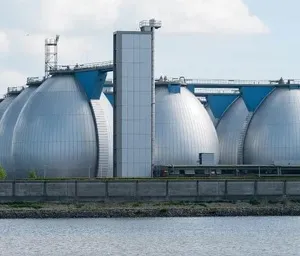
Management of paper waste minimizes the chances of such waste products getting to dump sites, thereby diminishing environmental pollution and preserving resources.
Conclusion
The best documented information on paper products utilizing both the lifecycle assessment and the sustainability metrics indicates that the need to approach paper product production holistically is vital in helping reduce the impact on the environment of this crucial industry. Therefore, this article implies that through optimization of CF, energy, water, and proper waste management, the paper industry has the potential to achieve and support sustainable development goals. Paprec sticks to its inexorable quest of improving and innovating, which has already made it contribute immensely to sustainability, such as through recycling of papers and working hand in hand with waste management companies.
 Our Services
 Media Pack Download
 Newsletters
 Industrial Events