Industrial Printing Materials & Techniques: What You Need To Know
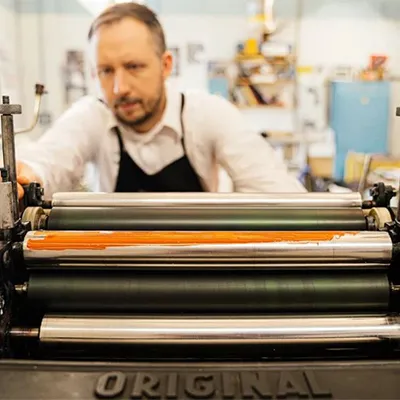
The industrial printing industry has experienced major development through recent innovations in industrial printing materials as well as enhanced printing techniques. Learning about commercial printing fundamentals enables users to maximize their production processes and enhance resolution capabilities as well as minimize environmental damage when working at large volumes for packaging or textile or commercial needs.
The following guide explains advanced printing industry developments which includes thorough examinations of both key raw materials and printing procedures and their manufacturing applications. Readers who want to learn about contemporary industrial printing along with its driving technologies should start reading now.
1. The Importance of Industrial Printing Materials
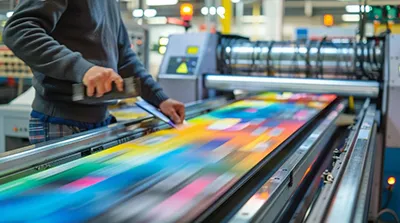
All industrial printing methods depend on materials that manufacturers select as foundations. The selection of these materials decides how a final printed product performs regarding quality outcomes and lifespan as well as sustainability measures. The industry uses a variety of wide-format printing materials such as paper, canvas and vinyl among others for industrial applications.
| Material Type | Common Uses | Advantages |
| Paper-based materials | Magazines, packaging, brochures | Cost-effective, recyclable |
| Plastic films | Labels, flexible packaging | Water-resistant, durable |
| Fabrics | Digital textile printing, banners | Soft, flexible, customizable |
| Metal sheets | Industrial signage, branding | Sturdy, corrosion-resistant |
| Glass & Ceramics | Decor, bottle labeling | Heat-resistant, glossy finish |
A business must carefully select environmentally friendly printing materials for both carbon reduction goals and peak printing performance.
2. Advanced Printing Techniques in Industrial Applications

The development of technology has led to the creation of several cutting-edge printing methods which fulfill industrial requirements in multiple ways. Methodology selection depends on three essential factors which include production speeds alongside durability characteristics and price-effectiveness.
A. Screen Printing Methods
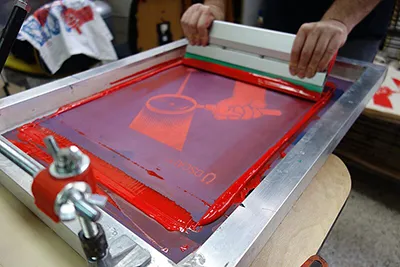
Screen printing stands as one of the longest existing industrial printing methods which uses a mesh stencil to push ink onto substrates. Textiles along with posters and circuit board printing primarily utilize this method as their printing solution.
Key Benefits:
- Works on various materials like fabric, glass, and plastic
- Long-lasting prints become possible due to high ink thickness during printing operations.
- Such printing technology exists specifically for creating fast high-volume print productions.
B. Flexographic Printing
Flexographic printing serves the packaging sector by using elastic relief plates that distribute ink onto products including paper and plastic and metal foil products.
Why Choose Flexographic Printing?
- The ink dries quickly which makes this printing technology suitable for quick high-speed operations.
- Works well with eco-friendly printing materials
- Cost-efficient for mass production
C. UV Printing Technology
The printing technology employing ultraviolet light to cure inks whenever they print represents an advanced process. The application shows rapid market growth in the production of high-performance promotional materials and signage printing coatings.
Advantages of UV Printing:
- Instantly dries ink, reducing smudging
- The system delivers detailed prints which can be processed on various surfaces.
- More environmentally friendly than solvent-based inks
D. Rotogravure Printing Process
Through the rotogravure printing approach, users create dependable high-quality images which serve as the optimal printing solution for extended publication formats including magazines and newspapers.
Why Rotogravure?
- Excellent printing quality enhancement
- High-speed and durable for commercial printing solutions
- Works well with specialty printing inks
3. Specialty Inks and Coatings for Enhanced Printing
Printing industry progress heavily relies on the selection of ink types in addition to materials and print execution methods.
A. Specialty Printing Inks
Modern specialty printing inks include:
- UV-curable inks – Used in UV printing technology for superior durability.
- Water-based inks – Water-based inks offer printers the ability to achieve sustainable eco-friendly materials for their printing processes.
- Conductive inks – Used in printed electronics and RFID tags.
B. High-Performance Printing Coatings
The combination of UV varnishes, aqueous coatings as well as lamination provides extended durability through protected printed materials against damage from normal use.
4. The Rise of 3D Printing in Industrial Applications
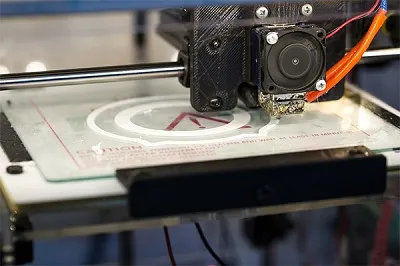
Additives developed for 3D printing materials stand among the greatest revolutionary advancements that the printing industry has ever seen. The process of 3D printing contrasts with conventional printing because it builds objects through sequential layer application.
How is 3D Printing Transforming Industries?
- Healthcare – The healthcare field makes use of this technology to produce prosthetics and dental implants that meet individual patient needs.
- Automotive – Rapid prototyping for vehicle components represents a dominant application of automotive within this technology.
- Construction – 3D-printed houses and buildings
High-performance printing coatings produced through innovation enable 3D-printed parts to become resistant to outside factors while ensuring increased durability.
5. Emerging Trends and Future of Industrial Printing
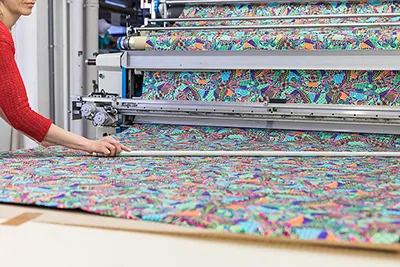
A. Digital Textile Printing
Premium transient design development is now possible through digital textile printing since the fashion and home industry acquired fast and sustainable production capabilities.
B. Sublimation Printing & Thermal Transfer Printing
Thermal transfer printing together with sublimation printing serves as the dominant methods for fabric dyeing as well as customized product production such as mugs and phone cases.
| Feature | Sublimation Printing | Thermal Transfer Printing |
| Process | Heat turns ink into gas, bonding with fabric | Heat melts a ribbon, transferring ink to the substrate |
| Best for | Polyester-based fabrics, promotional items | T-shirts, ID cards, barcodes |
| Durability | Permanent, won't fade | Can peel over time |
6. Key Takeaways for Businesses & Printing Enthusiasts
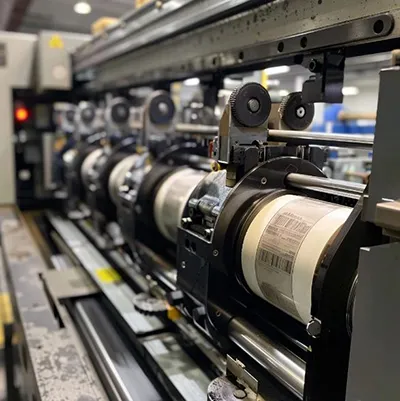
Modern businesses need to maintain knowledge of advanced printing techniques because commercial printing solutions combined with large-scale printing demand continues increasing. Here’s what you should consider:
- Companies should acquire environmentally sustainable printing materials to follow sustainable industry practices.
- A high-speed printing infrastructure should be adopted to reach maximum productivity levels.
- The organization should use printing quality enhancement approaches to preserve exceptional output quality.
- An investigation should unfold regarding novel 3D printing materials which extend beyond standard printing applications.
Industry advancement in printing continues to open new possibilities about high-quality printing methods and custom specialty ink solutions that suit unique business needs.
Final Thoughts
The industrial printing domain has shifted to focus on technology beyond paper-based delivery of ink. UV printing technology together with flexographic printing and rotogravure printing process and digital textile printing has enabled the industry to welcome unprecedented levels of innovation. Companies operating as manufacturers, designers and entrepreneurs should implement modern advanced printing methods for competitive success in their industries.
The time has come for you to unlock better printing optimization through modern industrial printing systems. People should discover the current developments within the printing sector immediately.
 Our Services
 Media Pack Download
 Newsletters
 Industrial Events