Innovative Fiber Sourcing: Exploring Alternatives for Sustainable Paper Production

The global push for sustainable development has led industries, including paper production, to rethink their sourcing strategies. In the quest for environmentally friendly practices, the paper industry is exploring alternative fibers such as jute fibers, banana fibers, and coconut fibers to reduce reliance on traditional sources like cotton fibers. This article delves into the significance of sustainable fiber sourcing in achieving sustainable paper production while promoting biodiversity, renewable resources, and green technologies.
The Importance of Sustainable Fiber Sourcing
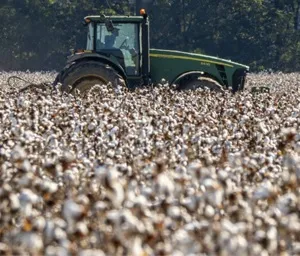
Sustainable fiber sourcing is a cornerstone of sustainable development in the paper industry. It involves sourcing fibers from renewable and eco-friendly sources while minimizing environmental impact. Traditional fibers like cotton have significant water and pesticide requirements, making them less sustainable compared to alternatives like jute, banana, and coconut fibers. By prioritizing sustainable sourcing, paper manufacturers can contribute to water conservation efforts and promote sustainable agriculture practices.
Exploring Alternative Fiber Sources
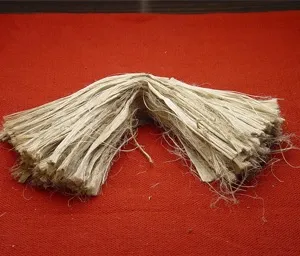
Jute fibers are one of the promising alternatives gaining traction in the paper industry. Derived from the jute plant, these fibers are known for their strength, durability, and biodegradability. Incorporating jute fibers into paper production not only reduces the environmental footprint but also supports local economies where jute cultivation is prevalent. Similarly, banana fibers and coconut fibers offer unique properties suitable for paper manufacturing, making them attractive choices for sustainable fiber sourcing initiatives.
Leveraging Renewable Resources

The use of renewable resources such as jute, banana, and coconut fibers is essential for achieving sustainability in paper production. Unlike non-renewable resources, renewable fibers can be harvested sustainably without depleting natural ecosystems. This promotes biodiversity and reduces the industry's carbon footprint. Furthermore, renewable resources align with sustainable development goals by supporting local communities engaged in sustainable agriculture and agroforestry practices.
Green Technologies for Sustainable Paper Production

Adopting green technologies is another key aspect of sustainable paper production. These technologies encompass eco-friendly practices and innovations aimed at reducing waste, conserving energy, and minimizing environmental impact throughout the production process. Examples include renewable energy sources, efficient pulping processes, and waste reduction strategies. By integrating green technologies, paper manufacturers can enhance sustainability while remaining competitive in the market.
Promoting Sustainable Agriculture and Agroforestry
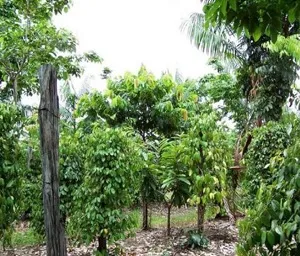
Sustainable agriculture and agroforestry play pivotal roles in sustainable fiber sourcing. These practices not only ensure the responsible cultivation of fibers but also contribute to ecosystem conservation and carbon sequestration. Organic farming techniques eliminate the use of synthetic chemicals, promoting soil health and reducing water pollution. Agroforestry integrates trees into agricultural landscapes, providing additional benefits such as wildlife habitat and erosion control.
Consumer Awareness and Demand for Sustainable Products

Consumer awareness is driving demand for sustainable products across industries. As consumers become more environmentally conscious, they seek products that are sourced responsibly, use renewable resources, and support sustainable development initiatives. Educating consumers about the benefits of sustainable fiber sourcing and its positive impact on the environment can lead to increased demand for sustainable paper products. This, in turn, encourages manufacturers to prioritize sustainability in their operations.
Embracing Renewable Energy and Green Technologies

The adoption of renewable energy sources is integral to achieving sustainable paper production. Renewable energy options such as solar, wind, and hydroelectric power reduce reliance on fossil fuels and lower greenhouse gas emissions. Pairing renewable energy with green technologies like efficient machinery and recycling programs further enhances sustainability throughout the paper production lifecycle.
The Role of Sustainable Fiber Sourcing in Promoting Environmental Conservation

Sustainable fiber sourcing is not just a buzzword; it's a fundamental shift towards responsible resource management and environmental stewardship. As the paper industry navigates the challenges of meeting global demand while mitigating its ecological footprint, the exploration of alternative fibers becomes paramount.
The Environmental Impact of Traditional Fiber Sourcing

Traditional fibers like cotton and wood pulp have long been the mainstays of paper production. However, their production processes often involve significant water usage, chemical treatments, and deforestation, leading to habitat destruction and biodiversity loss. Moreover, the carbon footprint associated with these fibers, from cultivation to processing, contributes to climate change and environmental degradation.
Advantages of Alternative Fibers
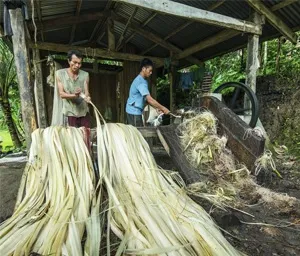
Alternative fibers such as jute fibers, banana fibers, and coconut fibers offer compelling advantages in terms of sustainability. These fibers are typically derived from plants that require less water, pesticides, and fertilizers compared to traditional crops like cotton. For example, jute is known as the "golden fiber" due to its eco-friendly properties, including high biodegradability and low environmental impact. Similarly, banana and coconut fibers are abundant byproducts of food production, making them renewable and resource-efficient options for paper manufacturing.
Promoting Biodiversity and Ecosystem Health
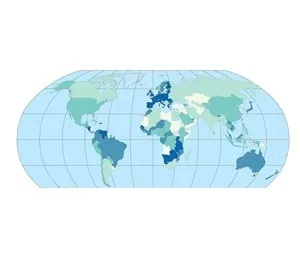
One of the key benefits of sustainable fiber sourcing is its positive impact on biodiversity and ecosystem health. By diversifying fiber sources and reducing monoculture cultivation, the paper industry can help preserve natural habitats and support wildlife conservation efforts. Agroforestry practices, which integrate trees and crops, promote biodiversity while providing additional ecosystem services such as soil enrichment, erosion control, and carbon sequestration.
Water Conservation and Sustainable Agriculture

Water conservation is another critical aspect of sustainable fiber sourcing. Alternative fibers often require less irrigation compared to water-intensive crops like cotton, contributing to overall water conservation efforts. Furthermore, promoting sustainable agriculture practices, such as organic farming and agroecology, minimizes water pollution and soil degradation while enhancing ecosystem resilience.
Consumer Awareness and Market Trends

Consumer awareness and market trends play a crucial role in driving demand for sustainable paper products. As more consumers prioritize environmental sustainability and seek eco-friendly alternatives, businesses are responding by adopting sustainable practices throughout their supply chains. Educating consumers about the benefits of sustainable fiber sourcing and eco-certifications, such as Forest Stewardship Council (FSC) certification, helps create a market for responsibly sourced paper products.
Collaboration and Industry Initiatives

Collaboration among stakeholders, including governments, NGOs, and industry players, is essential for advancing sustainable fiber sourcing initiatives. Industry initiatives such as the Sustainable Packaging Coalition (SPC) and the Ellen MacArthur Foundation's Circular Economy initiatives promote collaboration, knowledge-sharing, and innovation in sustainable materials and supply chains.
Conclusion: A Path towards Sustainable Paper Production
In conclusion, sustainable fiber sourcing is a critical component of the paper industry's transition towards sustainable paper production. By embracing alternative fibers, promoting biodiversity, conserving water, harnessing renewable energy, adopting green technologies, and responding to consumer demand, the industry can achieve a more sustainable and environmentally responsible future. Collaborative efforts and continuous innovation will be key in driving positive change and creating a circular economy where resources are used efficiently, ecosystems are protected, and future generations can thrive.
 Our Services
 Media Pack Download
 Newsletters
 Industrial Events