Biotechnology Applications in the Pulp and Paper Industry
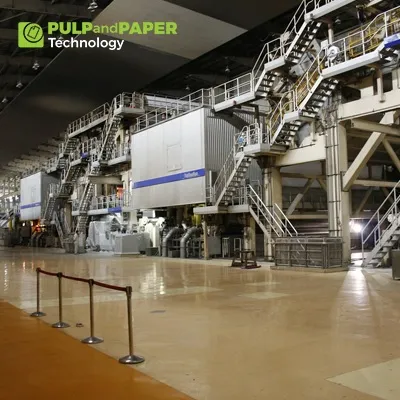
Due to the actions of forcing optimization on many of its aspects, the emphasis on biotechnology application is expanding within the context of the pulp and paper industry. This will be followed by particulars of this analysis to demonstrate how biotechnology for pulp and paper processing is an innovative dispensation supporting pulp and paper and other applications of biotechnology.
Biotechnology for Pulp and Paper Processing
Application of biotechnology in pulp and paper processing therefore means a growing technological factor that determines the development of the existing practices by consolidating a positive environmental impact. These include bippulping, which uses bacteria and fungi in the breakdown process of the wood fibers. It weakens the call for the use of aggressive chemicals and the emission of bad smells, which is in conformity with the modern food processing technologies.
Advancement of the Pulp and Paper Industry
It can also be ascertained that the growth of pulp and of the paper industry depends on several applications of biotechnology. The biotechnological application in pulping and paper making shows the way how the fiber from wood can be processed and how much could be done to eliminate some of the traditional ways that harm the environment.

When one tries to explore from pulp and paper production applications the usage of enzyme, the following progression can be observed: the intensity of enzyme usage is a reduction of the quality and the control of the expenses of the final product.
Biotechnology Applications in Pulp and Paper Industry
Technological uses are as follows: biotechnology in the development of the pulp and paper industries: A new category in the creation of pulp and papers; Flipping the tradition with digital products. For instance, in the line of using biotechnology in pulp and paper processing, the technology is dedicated toward specific microorganisms that have an influence on the softening of the fibers through the breaking of the lignin. This not only enhances the productivity of the paper but also cuts down the expenses of chemical treatments, which are time-consuming and harm the environment.
Trends in Pulp and Paper Biotechnology
The potential future tendencies of the pulp and paper biotechnology advancement are operating the digitalization of the pulp and paper processes and possibilities of the enhancement of the established methods and processes with the help of the biotechnology instruments. The usage of digital tools and biotechnology leads to an increase in rapid productivity, which provides the opportunity to manage effectively compared processes like wood fiber processing and paper manufacturing.
Biopulping
Among these, the application of biotechnology in the industry that can be best regarded is the biopulping.
This process involves the use of microorganisms to treat pre-wood chips in preparation for pulping. The biopulping method, therefore, fosters the conservation of chemicals and energy, making the processes of producing pulp and paper applications environmentally friendly.
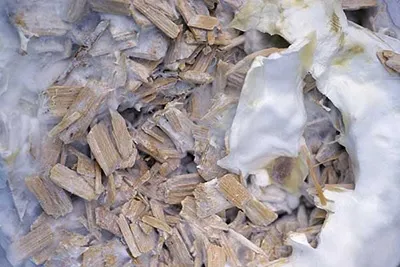
Regarding to the concerns proposed by such suggestions that enzyme shall be used, the application of enzyme in this regards would be most effective in the aspect of breaking down of lignin, which would facilitate the process of pulping.
Application of Enzymes in Pulp and Paper Industry
Various enzymatic activities in the pulp and paper industries are illustrated by the pulp and paper sectors among the enzyme applications that contribute to the formation of pulp and papers. Enzymes would help increase the rate of processing the fiber from wood, increase the quality of the paper, and most importantly, reduce the negative impacts of paper production. Enzymatic treatments are even replacing the chemical treatments that were earlier being used extensively, despite the fact that enzymatic treatments show better performance even in the field of pulp and paper production.
Wood Fibre Processing
Biotechnology is even more useful in wood fiber processing since its effects are more dramatic. Biotechnological techniques such as biopulping and enzyming in the pulp and paper processing of wood fibers make the process easier and more environmentally friendly. This results in sustainable processes in papermaking and enhanced quality in pulp and paper production and using applications.
Digital Applications for Pulp and Paper
There are new improvements in digital applications for the pulp and paper industry that increase the efficiency of biotechnology applications. Such tools assist in the efficient tracking of processes as well as helping to regulate these processes, resulting in the minimization of wasteful activities. When digital tools are used in biotechnology to refine the pulp and paper industry data, the scientific data collected could also be analyzed and decisions on the process of wood fiber and paper making made.
Conclusion
At the moment, industries such as the pulp and the paper industry are experiencing the effects of using biotechnology applications in the improvement of the sector in terms of its efficiency in the sustainably. From innovations such as biopulping and the integration of enzymes in the pulp and paper industries to digital uses of the pulp and paper products, the advancement to better and environmentally sustainable industry is being facilitated.
Biotechnology for the pulp and paper processing will continue to foster the advancement of the pulp as well as paper industries as the progress of the latter.
 Our Services
 Media Pack Download
 Newsletters
 Industrial Events