Advancements in Pulping Processes: Chemical, Mechanical, and Hybrid Methods
I. Introduction
Pulping processes represent an important aspect in the paper industries and this article aims at providing a brief overview of the importance.
Pulping processes are applied widely in the papermaking sectors, which involves the conversion of the wood raw material into pulp that makes papers. Chemical pulping is a kind of process classified by the extraction method, in which Kraft Process and Sulfite Process belong to this category and which after Energy Improvements to make them more efficient, help to produce pulp. Furthermore, methods like oxygen pulping as well as elemental chlorine-free (ECF) bleaching have gone further in helping to cut down on the impacts on the environment as well as enhance the pulping process. Technologically advanced pulping methods that include both mechanical and chemical pulping and biorefining strategies of adopting a blend of mechanical and chemical pulping to produce pulp are the key to having a sustainable and efficient way of producing pulp, which is needed to warrant this sector’s growth and responsibility to the environment.
Introduction to Key Concepts: Wood Raw Material, Kraft Pulping Process, Sulfite Pulping Process, and Hybrid Pulping Methods
Pulp is largely dependent on the wood material, which undergoes a number of processes to satisfy the needs of the business. The Kraft pulping process and the Sulfite pulping process are two basic chemical pulping processes that provide two types of pulp with different characteristics. Comprehensive chemical methods, including these, have been improved by oxygen pulping and energy improvements that have increased pulping efficiency while lowering its effects on the environment. Chemical-mechanical pulping is a form of pulp hybridization to improve the production process. Moreover, ECF bleaching techniques also have their application in the pulping and bleaching process which makes it more environmental friendly and efficient in its way to cut short the greenhouse gases emission by the industry.
II. Chemical Pulping
A. Kraft Pulping Process
There is a methodology of Kraft Pulping Process which is explained below in detail:
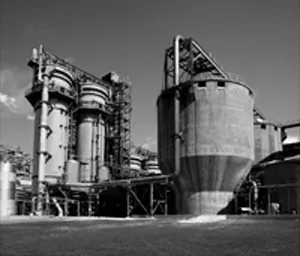
Kraft Pulping Process is among the key chemical pulping process that efficiently transforms the wood raw material into strong and good quality pulp. It involves the initial boiling or steaming of the wood chips with a solution of water, sodium hydroxide, and sodium sulfide with the aim of dissolving the lignin that holds the cellulose fibers together. Unlike the sulfite pulping process, the kraft method gives pulp that has better strength and resistance to tearing. The newest techniques, like oxygen pulping and energy improvements, have improved the efficiency and impact of this process. Further, Kraft pulp can be bleached employing Elemental chlorine-free methods to manufacture white paper; thus, Kraft pulp plays a central role in sustainable generation and improved pulping yields.
| Also Read: Eco-Friendly Innovations in Chemical Pulping Technology |
Newer publications add the categories of hybrid pulping methods and biorefining to the previous list as they provide additional optimization of the resources used and the amount of harm given to the environment.
Recent advancements and energy improvements in Kraft pulping
Future development has been pointed toward work on the new energy improvements in the recently developed Kraft Pulping Process. Different innovations, such as oxygen pulping, have cut down on energy requirements and pollution levels, hence expounding the method. These have also improved pulping efficiency and, consequently, wood raw material intake. The so-called optimized Kraft method is characterized as being more efficient compared to the widely used chemical pulping and sulfite pulping processes; it also yields stronger pulp with better durability and less waste. Thirdly, Elemental chlorine-free bleaching methods and biorefining technologies have been added to eliminate further the impacts of Kraft and sulfite pulps on nature and establish new benchmarks for pulp making.
B. Sulfite Pulping Process
Overview of the Sulfite Pulping Process
Another popular process that is used in the paper industry is the sulfite pulping process that concerns the breakdown of the wood raw material in order to produce pulp. Here, using water and sulfurous acid, or bisulfites, as a cooking liquor, the lignin in the wood fibers gets damaged. Sulfite pulping does not use sodium hydroxide and sodium sulfide, as does the Kraft Pulping Process, but instead gives pulp that is softer and easier to bleach. Although the sulfite process was widely used in the past, the practice has somewhat declined due to environmental issues relating to the process and the general superiority of kraft pulps in terms of strength and usability. Contemporary variations of the sulfite process have integrated energy improvements and biorefining into the process, which can be seen as the general tendency to shift to more environmentally friendly pulp production and to replace elemental chlorine with various elemental chlorine-free bleaching methods, all in all.
Innovations and improvements in sulfite pulping technology
New and current advancements in the sulfite pulping process include the optimization and efficiency of the pulping process and the use of wood raw materials. Improvements in the process include enhancement of the cooking style and usage of chemicals, which would favor the breaking down of lignin and obtaining the highest pulp yield.
Energy improvements have been a key success factor in the attempt to minimize general energy usage as far as the process is concerned and take a more environmentally friendly approach. These innovations also relate to the problems of alternative chemical pulping processes, like reducing waste and enhancing the quality of sulfite pulps. Utilization integration with biorefining technologies also helps improve resource effectiveness and promotes Elemental chlorine-free bleaching techniques for sulfite pulping to develop environmentally friendly pulp manufacturing in the contemporary paper industry.
C. Conventional chemical pulping
Description of conventional chemical pulping methods
The Kraft Pulping Process, the Sulfite Pulping Process, as well as other commonly known chemical pulping processes, are basic to the paper industry’s pulp making from wood raw materials. These methods include lying the wood chips in Kraft pulping in sodium hydroxide and sodium sulfide, which dissolve the lignin and separate the cellulose fibers, or exposing the chip to sulfurous acid or bisulfites in Sulfite pulping. Both of these processes are essential for the creation of Kraft and Sulfite Pulps, which are rather valuable materials for numerous forms of paper goods. While the regular chemical pulping it has been accomplished that there is steady progress in energy efficiencies and new types of pulping that incorporates additional methods in which there is usage of chemical as well as mechanical processes of separation.
These have the objective of enhancing the outlook of pulping, the use of ECM that is ecological in bleaching and also the inclusion of biorefining into sustainable pulping businesses.
Comparative benefits and challenges of Kraft and Sulfite Pulps
Despite the resemblance of Kraft and Sulfite Pulps from the Wood Raw Material point of view, both hold some advantages as well as disadvantages in the process of pulp production. The Kraft Pulping Process gives rise to pulp appropriate for numerous products that are reinforced with high strength. On the other hand, sulfite pulps are less affected by the above-discussed restrictions and are easier to bleach, making them more versatile in the production of papers. However, some disadvantages of Kraft pulping are that this method is rather energy-intensive and causes higher ecological pressure in contrast to sulfite processes. On the other hand, sulfite pulping has this general problem of higher production costs and restricted suitability for producing specific paper types. Each of these processes has been innovated with energy improvements and with hybrid pulping techniques providing improvements on efficiency and sustainability; the eco-logical chlorine-free elemental bleaching technology is continuously evolving in order to provide the industry with better environmental performance; and biorefining technologies are being developed.
D. Oxygen Pulping
Introduction to Oxygen Pulping as a Modern Chemical Pulping Method
Oxygen pulping is another form of chemical pulping that is more current, with wood raw material being processed with oxygen as the major delignifying tool. Unlike Kraft and Sulfite Pulping Processes, which use dangerous chemicals such as sodium hydroxide or sulfurous acid, Oxygen Pulping works to minimize the effects on the environment by using oxygen in the delignification process. This method raises the efficiency of the pulping process and decreases the application of elemental chlorine in the other bleaching methods, which complies with modern tendencies to save the pulp-producing industry. The combination of oxygen pulping with biorefining methods improves its environmental aspect and is considered a viable player in the present approach to pulping.
Benefits of Oxygen Pulping in Terms of Efficiency and Environmental Impact
Oxygen pulping has been proven to be more efficient and seems to be more environmentally friendly when compared with some of the earlier methods being used in the production of pulp.
This method, under Wood Raw Material, uses oxygen as the major reagent for delignification, which is more efficient and makes less use of hard chemicals and energy than Kraft and Sulfite Pulping Processes. Oxygen pulping reduces the amount of elemental chlorine required in the later stages of bleaching, and therefore pollution reduction is in greater accordance with cleaner production. Similarly on the same regards, the application of biorefining technologies makes the consumption of the obtained resources increase making oxygen pulping attractive to the producers of pulp who desire sustainable practices.
III. Mechanical Pulping
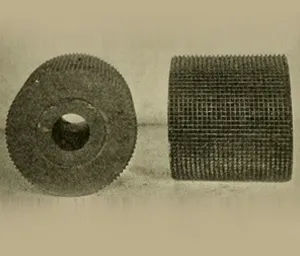
The understanding of mechanical pulping and a brief about its operation in the production of pulp.
Mechanical pulping is one of the oldest ways to get the pulp and according to the information obtained, it is one of the most used methods which practices the utilization of wooden raw material by applying mechanical forces to separate fibers in wooden structure. The process is defined as a refining process for the fibers. In contrast to chemical pulping techniques like the Kraft and Sulfite processes, mechanical pulping depends mostly on physical forces to disintegrate the cell walls of the wood, thus freeing the fibers and thus retaining their strength. This process is proficient in the rate at which pulp is produced, but the resulting pulp, which is chemically pulped fibers, is comparatively less refined and weaker. Nonetheless, mechanical pulping is very useful for the production of pulps used for newsprint and other paper that do not require high strength and acceptable optical features. In today’s innovation in the energy and industrial improvements of the pulping process targets in maintaining high efficiency in mechanical pulping and likewise avoiding the harms that it might bring to the environment. Newer ideas of biorefining are entering into the mechanical pulping industry to utilize the resources and the damage to the environment is minimized.
The last developments directed at raising pulping efficiency
New establishments on pulp production have been made in line with improving the pulping processes with methods like Kraft Pulping Process, Sulfite Pulping Process among others. Innovations in energy improvements have been instrumental, to the point of rationalizing the utilization and consumption of energy in the pulping process. Thus, hybrid pulping methods have been identified as being the most effective as they modify mechanical and chemical processes to optimize the outcomes.
Also, the aspects of biorefining in the processing methods have advanced ways of enhancing resource efficiency and reducing waste to support sustainable pulp production. Further advances in techniques of Elemental Chlorine Free bleaching have added to efforts to minimize environmental pollution, thus enabling pulp production to be a contemporary process.
Advantages and drawbacks of mechanical pulping compared to chemical methods
Thus, mechanical pulping and chemical pulping methods like the Kraft and Sulfite processes each have their strong and weak sides in the context of converting wood raw material to pulp. There is a high yield efficiency of mechanical pulping that is lower in energy; hence, it is economical to use in making paper grades such as newsprint. But it creates pulp that is less shining and comparatively weaker than the pulped fibers of the chemical process. However, because of the ability of obtaining stronger and multifunctional pulps for producing superior papers, these chemical pulping techniques, though demanding more energy and causing more pollution to the surrounding environment, need consideration. Energy improvements method and hybrid pulping revelation has also been developed with an aim of increasing the efficiency as well as sustainability of both mechanical and chemical pulping. Biorefining strategies enhance resource utilization and enhance the lower effects of the procedure while supporting the required change in the elemental chlorine-free bleaching methods and improving the sustainability of pulp production.
IV. Hybrid Pulping Methods
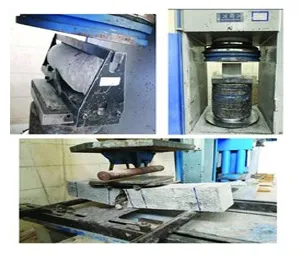
Introduction to hybrid pulping methods that combine chemical and mechanical processes
Hybridizing pulping technologists refer to a new way of pulping the wood raw material through a blend of both mechanical and chemical means of pulping. Most hybrid methods are developed by incorporating other pulping processes, such as the Kraft Pulping Process or the Sulfite Pulping Process, with mechanical refining to try and achieve the best of both methods. This approach increases the yield of pulping by achieving a higher degree of delignification, while at the same time leading to higher fiber strength and lower energy utilization. Hybrid pulping also permits the subsequent application of biorefining technologies for the improvement of resource utilization and its environmental effects to enable innovations in Elemental Chlorine Free bleaching alongside ecological pulping methods.
Examples of hybrid pulping technologies and their applications
Hybrid pulping technologies refer to the different advanced methods that hold some mechanics, chemicals, or a combination of both in the process of pulping from wood raw materials.
Some of them include pulping techniques that integrate part of the Kraft Pulping Process or Sulfite Pulping Process together with mechanical refining. Such hybrids are designed to obtain definite characteristics of pulp for various usages, which include packaging, tissue, and specialty papers. Thus, by combining energy improvements and biorefining, hybrid pulping technologies augment the efficacy of the pulping processes and, at the same time, reduce the damage they impose on the environment. They also endorse chemical-free bleaching techniques, thus playing a major part in the promotion of green practices in the pulp and paper industry.
Advantages and disadvantages of integrated approaches of development of the further improved overall pulping efficiency
In particular, the methods of a combined use of chemical and mechanical treatments or combined chemical pulping methods have certain advantages over the other existing methods of increasing the efficiency of the pulping and utilization of the wood raw material. This being the case, it is done in combination with the Kraft Pulping Process or the Sulfite Pulping Process besides mechanical refining which incorporates the improvement of the pulp production processes. They enhance energy improvements since the entire operational energy and cost surpass conventional chemical pulping. Further, hybrid methods enable the biorefining processes of bioproducts that make efficient use of resources and help reduce waste in sustainable pulp production. However, some of the issues have been highlighted, as follows: Multiple process integration is quite complex, especially in the early stages of implementing hybrid technologies, and this calls for a lot of investment. However, they are still crucial in the evolution of further improved and more beneficial to the environment ECF bleaching techniques and mechanisms in sustainable pulp production.
V. Environmental Considerations
Impact of various pulping methods on the environment.
This article will then discuss the effect of different kinds of pulping procedures on the environment. In chemical pulping processes such as the Kraft Pulping Process and the Sulfite Pulping Process, environmental consequences may include the use of strong chemicals and high energy use. Many of these methods use massive quantities of wood raw materials and water; thus, they entail deforestation hazards and water pollution. On the contrary, innovations in energy improvements and biorefining processes have assisted in cutting down on the extent of harming the environment by enhancing the usage of raw materials effectively and reducing waste while undertaking the process of pulping.
Thus, the use of mechanical and chemical pulping methods to increase pulp production yields and decrease energy consumption increases sustainability. Another element that contributes to a decrease in emissions and water pollution concerning the traditional pulping treatment is the usage of chemical chlorine-free bleaching methods, which also serves as an important step towards environmentalism in the industry.
Advancements in bleaching methods, including Elemental Chlorine Free (ECF) processes
ECF has now become the major bleaching process, which has contributed to shifting the whole picture of the environmental effects of the pulp and paper industry. Earlier, wood raw material treated with prevailing chemical pulping techniques like the Kraft Pulping Process and the Sulfite Pulping Process used chlorine-based bleaching agents, which produced toxic chlorinated organic species. ECF bleaching methods, on the other hand, use chlorine dioxide instead of elemental chlorine, minimizing the formation of these compounds and, in turn, polluting the environment. This innovation helps in achieving sustainable production of pulp, apart from increasing the efficiency of pulp production because more processing steps are not required to counteract the harm done to the environment. The combination of ECF processes with energy improvements and biorefining makes it even friendlier to the environment in the paper industry and makes the production of the paper products more natural and green.
Sustainable practices in the pulping industry, focusing on reducing environmental footprint
To make the pulping industry less detrimental to the environment, several changes must be made, starting with the sourcing and management of wood raw materials. Through technological developments, most of the engineering features that enable effective us of energy required in operations like the Kraft Pulping Process and the Sulfite Pulping Process have been developed in a way that would reduce carbon emissions and pollution. There are other measures that can be applied on pulp production in relation to sustainability, for instance, biorefining; which is the practice of getting the most out of biomass resources. Another landmark move is another step towards addressing the pollution of the environment that is brought about by elemental chlorine chemical pulping. Thus, hybrid pulping methods are of special significance in enhancing the general efficiency of pulping operations with reference to sustainable development.
VI. Biorefining and pulping
The concept of pulping biorefining refers to the use of sustainable processing methods that transform the wood raw material into products and energy. Unlike other chemical pulping technologies like the Pulping Process or the Sulfite Pulping Process, which are oriented towards the production of pulp for the paper industry, biorefining is aimed at the most efficient use of the resource. It incorporates energy improvements as well as new technologies for separating the three major components of biomass, which are lignin, cellulose, and hemicellulose. They can be utilized for the generation of biofuel, biochemicals, and various other green products that will free the population from the domination of fossil fuels and ensure the protection of the environment. Biorefining of wood raw material is useful in optimizing the general efficiencies of pulping processes, thereby reducing waste, while on the other side improving the value addition coming from the same R.W.M. wood raw material in a bid to support the industry’s trends towards elemental chlorine-free bleaching processes and generally sustainable pulps.
How biorefining is integrated with pulping processes to enhance resource utilization
Biorefining is linked with pulping processes so as to maximize the use of wood raw materials for the production of required products. In the earlier manufacturing process of chemical pulping, such as the Kraft Process or Sulfite Process, the hemicellulose, lignin, and cellulose are usually removed at the time of pulping. However, biorefining simply steps up this process by adding value to the mentioned components. Energy increases and advanced technological benefits make it possible to separate lignin to be used in biofuels or biochemicals and cellulose and hemicellulose to be used in the production of fibers, chemicals, or biomaterials. Besides improving efficiency in pulp production by cutting waste, this integration also helps in the achievement of sustainable working in the industry. In this regard, biorefining is well aligned to the kinds of changes needed for adopting ECF-bleaching methods and supporting environmental management practices in pulp production.
Benefits of biorefining in terms of sustainability and efficiency
With regards to the sustainability and improvement concerning the efficiency of the general biorefining process in the pulp and paper industry, the general prospects have been considered vast. Instead of focusing only on latex, biorefining of wood raw material involves the incorporation of value-added technologies within conventional processes like the Kraft Pulping Process and the Sulfite Pulping Process to enable the efficient use of the available resources.
It boosts energy improvements through top-quality products like lignin, cellulose, and hemicellulose that can be derived from biomass and used in biofuel, biochemicals, and other bio-based materials. In so doing, it eliminates reliance on fossil fuels; this means that environmental conservation is attained since minimized wastage and emissions of chemical pulping are embraced. Biorefining also enhances pulp production in terms of output since it generates multiple product streams and increases the product value of the feedstock while equally supporting the conversion of the ECF bleaching method in the pulp industry.
Conclusion
A recap of the major advancements in pulping processes, emphasizing chemical, mechanical, and hybrid methods
Finally, it could be concluded that improved ideas in chemical, mechanical, and combined pulping techniques were developed throughout history to change the way of using WRM in the industry. Trending methods such as the Kraft Pulping Process, Sulfite Pulping Process have evolved with energy improvements in order to increase efficiency and lessen environmental effects. Thus, the concept of biorefining has been integrated to enhance the utilization of resources and get more value from lignin, cellulose, and hemicellulose. Consequently, the existing pulping innovations use these methods to create hybrids that provide modularity and sustainability in pulp production. A focus on Elemental chlorine-free bleaching techniques points out the industry’s responsibility towards the environment and that it does not take shortcuts in its functioning. All these developments put together bear testimony to a gradual evolution towards more sustainable systems, giving the pulp and paper sector, in the times to come, a sustainable competitive advantage.
The importance of continued innovation for improving pulping efficiency and sustainability
Alternatively, there are still more advancements made to new technical ideas, which are still great for improving the effectiveness and modulus of the pulping step in LCB and other correlated fields. Methods used in wood raw materials also include advanced development technologies like sourcing and processing technologies, among which are the kraft pulping process and the sulfite pulping process. Concerning the conservation of the resource and the environment, further development in energy improvements and utilization of the hybrid pulping technique remain significant. Applying biorefining technologies also enhances the efficiency of pulp production because the profit extracted by pulp industries from by-products such as lignin and cellulose is massive. In addition, the enhancement of the chimney was also seen as one of the contributing factors to cleaner production.
Adopting these technologies also means not only increasing the effectiveness of the processes but also maintaining the activity’s sustainability to compete with other industries and markets in the long run.
Final thoughts on the future of pulping technology and its role in the paper industry
Thus, prospects for the development of pulping technology in the field of the paper industry are quite promising due to ongoing innovations and environmental concerns. More demand for sustainable practices demands more efficiency in the use of wood raw materials and the way they are processed in curtailed form using the Kraft pulping process and the sulfite pulping process. Energy Improvement and the Shift toward the Use of Hybrid Methods of Pulping are aimed at improving efficiency and reducing the impact on the environment even more. Biorefining will keep on growing with a view to drawing maximum value from the raw materials, such as lignin and cellulose, among others. Hence, the adoption of Elemental chlorine-free bleaching techniques demonstrates the industry’s environmental considerations.
These developments do not only favor means of doing things in pulp production, but they also put the sector in a better position to address new world orders and developments in meeting new standards and consumer demands. The advancement of pulping technology presently and in the future will therefore play a big role in paving the way for the paper industry to have a sustainable future that is able to forecast and withstand all market forces.
 Our Services
 Media Pack Download
 Newsletters
 Industrial Events