How to Choose the Best Energy-Efficient Equipment for Your Pulp and Paper Plant
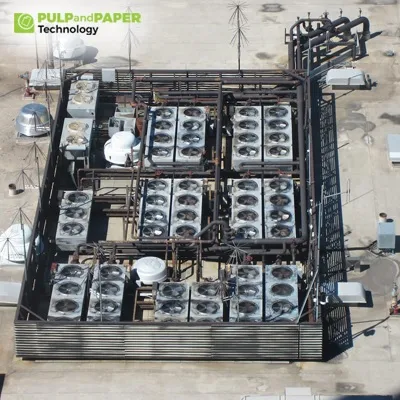
The pulp and paper industry is known to be among the largest consumers of energy because of certain activities such as bleaching, pulping and drying. Therefore, owing to the continual focus on environment and high cost of energy, there are the precise segments of Energy Management Systems (EMS), green technology and energy saving in order to enhance the performance and productivity. This article will also assist in selecting right energy-efficient equipment for the paper industry and will emphasize on using wind energy, biomass energy, geothermal energy, and also on discussing possibilities of green hydrogen production.
Understanding Energy Management Systems
EMS help monitor, control, and optimize the energy consumption in your plant which is critically vital to the operation of your plant. The incorporation of an EMS aids in the identification of areas within a company where energy can be conserved thus increasing efficiency. While choosing equipment to be used to reduce the energy consumption make sure that they are capable of being connected to the EMS to enable real time control.
Embracing Green Technology
Why green technology is heavily implemented today?
Pulp and paper industries are some of the largest polluters of the environment, and thus green technology is implemented to help reduce this pollution.
This includes equipment with the elements concerning energy minimization equipment, waste minimization equipment, and effective use of renewable energy equipment. In making the selections of the equipment ensure that you go for those that have been tested and accredited in terms of energy conservation and environmental compatibility.
Focusing on Energy Conservation
Energy efficiency refers to the process of reducing the usage of energy thereby implementing the effective technologies and mechanisms. In pulp and paper manufacturing, it could be attained through procuring better and improved technological items that require low power than the current ones. Higher levels of energy efficient features to look for include the variable frequency drives, efficient motors as well as heat recovery devices.
Utilizing Renewable Energy Sources
Introducing wind energy, biomass energy and geothermal energy can help to greatly reduce the share of central source of energy that is the fossil fuel. For instance, you can use wind technology, which involves fixing a wind turbine in a given premises whereby it manufactures electricity, to power your plant. Likewise, electricity produced from sources of biomass energy, can be extracted from the waste product from the pulping process.
Exploring Green Hydrogen Production
Green hydrogen can be produced using different technologies which are still under development, yet, they hold great promise in redefining energy utilization in the pulp and paper industry. Hydrogen can be generated from renewable energy sources and in turn be utilized as a clean energy carrier in other processes. As such, investing in the generation of green hydrogen can help your plant stand out as environmentally-friendly.
Leveraging Energy Performance Contracts
Energy performance contracts commonly known as EPC symbolize concords between the organization and energy service companies (ESCOs) concerning the measures to be undertaken towards enhancing energy efficiency, and the bearing of responsibility on the performance of the measures. These contracts can help in financing procurement of efficient equipment as the money realized from the consumed power is used to pay for the equipment’s.
Choosing the Best Energy-Efficient Equipment
When selecting the best energy-efficient equipment for your plant, consider the following:
- Energy Management Systems Compatibility: There is also the need to determine if the equipment can quickly align with your present EMS for easy monitoring and controlling.
- Green Technology Certification: One can try to search for certifications and or ratings which indicate high efficiency in terms of energy and the surroundings.
- Energy Conservation Features: Select from the equipment with qualities such as energy efficiency that are; Variable speed drives and efficient motors.
- Utilization of Renewable Energy: Select equipment that would use renewable energy such as; a wind powered generator or a bio-mass energy system.
- Support for Green Hydrogen Production: n seek of gears that can work using green hydrogen or gears that can generate green hydrogen.
- Energy Performance Contracts: From the expenditure point, talk about the possibility of purchasing new equipment related to EPCs to reduce the first costs.
- Energy Efficiency Metrics: The information that should be analyzed are the power consumption characteristics of the equipment in terms of output to ensure that the company’s energy conservation level is met.
Conclusion
Pursuing the utilization of the most energy efficient equipment within the paper industry is therefore the most appropriate way for energy consumption and its related cost while at the same time alleviating negative environmental effects. This can be attained by promoting energy management systems, green energy technology, energy efficient tools, and integrating renewable energy sources such as wind energy, biomass energy and geothermal energy into your pulp and paper industry shall go along way in improving on the sustainability of your operations. Besides, the possibilities of expanding the increase in energy efficiency, such as the production of green hydrogen, or using energy performance contracts in your sphere of activity can also be considered as further advancing the position of your plant as the most efficient and environmentally friendly enterprise in the field.
 Our Services
 Media Pack Download
 Newsletters
 Industrial Events