Black Liquor Gasification: An Emerging Trend in Energy Recovery
Black liquor gasification technology earns strong interest in renewable energy development because it leads modern energy recovery efforts. Due to its popularity within pulp and paper companies, black liquor gasification makes energy from discarded waste. Energy recovery from black liquor waste makes industries more sustainable while they try to reduce their emissions. We will look at how advanced gasification systems reduce pollution while also helping us create biomass power plants that produce zero-carbon energy.
Understanding Black Liquor and Its Potential
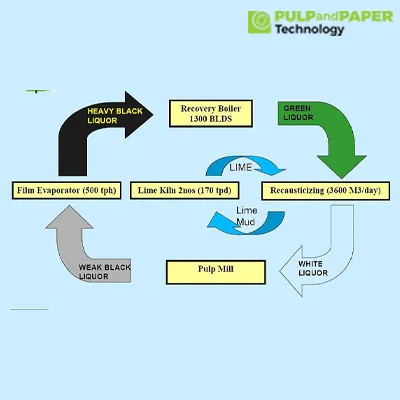
Before we understand black liquor gasification's capabilities we need to explain what black liquor is. Black liquor comes from pulp making using kraft process, and is mostly water, wood glue (lignin), plus more chemicals. Back in the day, pulp makers used to burn black liquor to create steam for their factories. New ways to process black liquor now help make electricity while limiting waste. Pulp mills are now using brown liquor gasification to both transform their leftover chemicals into energy and decrease their waste disposal, making it better than their previous way of processing.
How Black Liquor Gasification Works
The foundation of energy-efficient recovery systems comprises black liquor gasification techniques. During gasification black liquor's complex organic molecules turn into synthetic gas through a conversion method. As the syngas mainly produces hydrogen, carbon monoxide, and methane, this clean energy can power different industrial processes.
Thermal gasification systems create energy from black liquor while reducing emissions better than combustion incineration. Low-emission gasification processes decrease sulfur dioxide and nitrogen oxide emissions while they convert black liquor into energy. Many industries around us work daily toward transforming energy use to be more environmentally friendly through this emissions decrease.
Pulp Mill Waste Utilization: A Sustainable Approach
The principle of transforming waste into useful resources drives the circular economy model and pulp mills demonstrate this successfully. Through sustainable gasification technology pulp mills solve their waste needs and start generating energy from renewable sources.
Pulp mill energy systems reduce fossil fuel use to follow current renewable energy development.
The recovery process of black liquor brings major financial gains to businesses. When pulp mills adopt environmentally friendly energy methods they cut expenses for purchasing energy and managing waste. The change to alternative fuel power systems helps mills run better and generate more profit while protecting the environment naturally.
The Role of Gasification in the Circular Economy
The process of gasifying black liquor perfectly matches how the circular economy operates in pulp mills. Through a circular process, mills convert their waste black liquor into energy which cuts their need for outside power supplies and creates less waste. This system decreases environmental effect which makes it essential for creating low-carbon electricity sources and using biomass resources.
Under the circular economy system pulp mills recover wasted chemicals and reuse leftover heat to run operations more productively. As more companies adopt this strategy industrial gasification technology gains stronger importance in our path toward a renewable closed-loop power supply.
Gasification Technology Advancements
Companies are making more advanced energy gasification systems because society wants cleaner power. The updated technology helps us create better energy-efficient recovery systems and uses black liquor gasification across different industrial sectors. Gasification technology develops into more advanced systems through updates in materials and methods that save power and money.
New gasifiers can now convert more black liquor into cleaner energy without problems. Black liquor gasification gives pulp plants better ways to recover energy and sends less waste to landfills. Advancing these technology solutions will make factories use much less energy and create less climate damage, leading to a growing use of clean energy across industrial operations.
Black Liquor Gasification and Its Impact on the Pulp and Paper Industry
The pulp and paper industry needs huge amounts of power right now, which mostly comes from non-renewable sources, contributing to substantial energy usage. Black liquor gasification shows great potential as a clean option. Using black liquor gasification lets pulp mills produce their own power, which lowers their expenses for buying energy from other suppliers. The black liquor gasification process helps paper mills thrive while contributing to the creation of cleaner, carbon-free energy generation systems nationwide.
Turning garbage from our organic process into plant power is a smart way for pulp makers to help drive our energy shift towards green. As thermal gasification becomes standard in more mills, the paper industry will help the planet become greener by reducing greenhouse gasses.
The Future of Black Liquor Gasification
Right now, the path ahead for black liquor gasification looks very encouraging. As technology advances, new industries are discovering how they can use it to better create clean energy. As people become more worried about climate change and need more sustainable energy options, low-emission gasification techniques are expected to be used by companies wanting to save the planet.
As more people start using wood and other renewable resources to produce energy, black liquor gasification plants will contribute more and more global energy production.
More countries and business sectors join forces to tackle climate change, black liquor gasification and environmentally friendly energy solutions keep getting more important, making it a major player in these changes.
Conclusion
Black liquor gasification offers the best answer for helping paper mills deal with their energy and waste concerns. Pulp mills that use sustainable gasification systems lower their environmental damage and help create a worldwide switch to renewable energy. Modern gasification technologies let us use black liquor more effectively while making carbon-free power and advancing our shift to sustainable energy.
Black liquor gasification shows industries how waste from around the world can become a valuable resource. Using this advanced technology solves both energy problems and helps industries move to renewable resources through the developing eco-friendly energy systems for the future.
New methods for processing biomass with black liquor and industrial gasification mean we can shift to generating alternatives fuels from renewable resources as our standard way of making energy.
 Our Services
 Media Pack Download
 Newsletters
 Industrial Events